
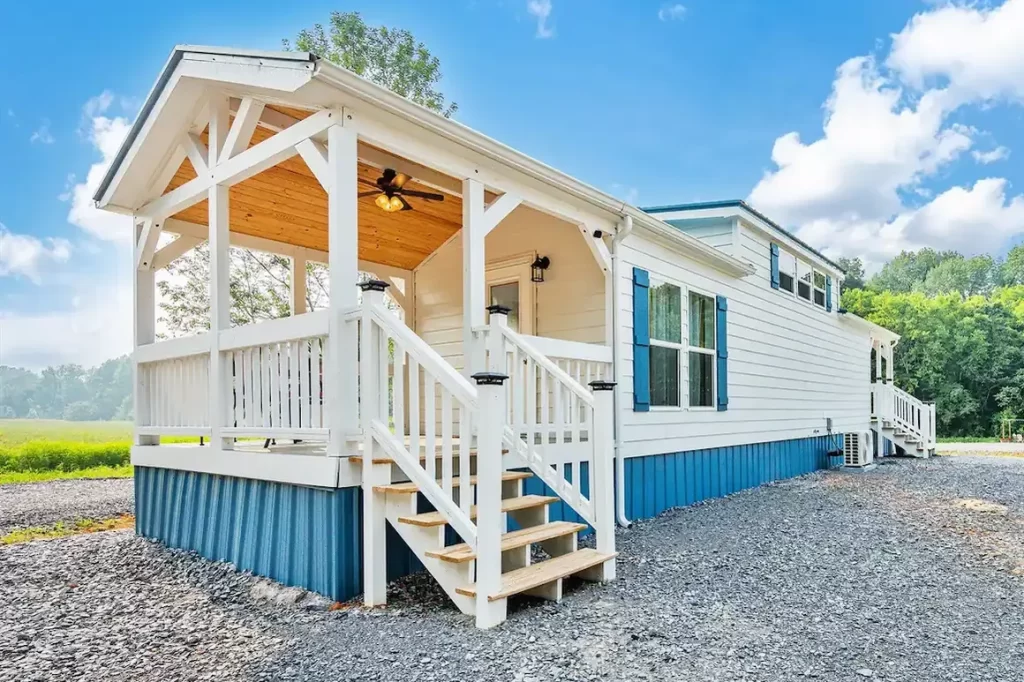
Selecting the best land for tiny homes is one of the most important decisions you will make during the buying process. Even the highest-quality unit can underperform if it is placed on a site that is difficult to access, poorly prepared, or far from essential utilities. Whether you plan to place your home on private land or within an RV park, understanding the fundamentals of site selection helps protect your investment and ensures long-term comfort.
This guide walks through the most important factors buyers should evaluate before moving forward.
Accessibility for Delivery and Setup
Before purchasing land or committing to an RV park, it is critical to confirm that the site can physically support delivery. Park Model RVs and tiny houses on wheels for sale require adequate access for transport vehicles.
Key access considerations include:
- Driveway width and surface condition
- Turning space for delivery trucks
- Overhead clearance from trees or utility lines
- Distance from the road to the placement area
Buyers working with tiny home builders should always confirm access early. Addressing access issues upfront prevents delays and avoids unexpected costs later.
Soil Stability and Terrain Conditions
The best land for tiny homes provides stable ground that supports safe placement and long-term performance. Uneven or poorly drained soil can lead to settling, shifting, or water-related problems if not addressed properly.
Important terrain factors include:
- Overall slope and grading requirements
- Soil compaction and drainage
- Space for a gravel pad or foundation system
- Long-term water runoff patterns
These considerations apply whether you are buying new or exploring used tiny homes for sale. Proper site preparation plays a major role in how well the home holds up over time.
Utility Proximity and Planning
Utilities are a major part of site readiness and budgeting. Even a well-designed home can become inconvenient if utilities are difficult to access.
Buyers should evaluate:
- Distance to electrical service and panel placement
- Water supply access and routing
- Septic or sewer connection options
- Space for trenching utility lines
For buyers considering tiny homes, proximity to existing hookups often simplifies setup. However, remote locations can still work with proper planning and realistic expectations.
Private Land Versus RV Park Placement
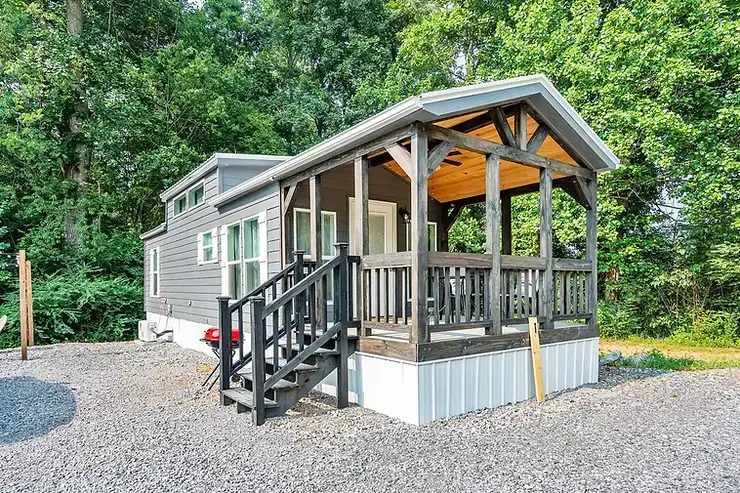
Choosing between private land and an RV park depends on lifestyle goals, budget, and long-term plans.
Private land often offers:
- Greater privacy and control
- Long-term placement stability
- More customization options
RV parks may provide:
- Existing utility hookups
- Simplified placement requirements
- Community amenities and maintenance support
Buyers interested in park model tiny homes for sale should review park rules carefully to ensure the home type is permitted.
Climate and Year-Round Comfort
Climate plays an important role in site selection. Exposure to wind, sun, and moisture can affect indoor comfort, energy efficiency, and long-term performance if a home is not built to handle changing conditions.
Living Well Cottages addresses these challenges through quality construction and proven building standards. Every new unit includes a one-year manufacturer’s warranty covering bumper-to-bumper construction, providing confidence in the overall build. In addition, LP siding, metal roofing, HVAC systems, and appliances each carry their own separate manufacturer warranties. Together, these protections help safeguard the home, whether it is placed on private land or within an RV park.
Matching the Site to the Right Home
Not every home fits every site. Buyers exploring tiny homes for sale in Brevard, or comparing tiny home manufacturers in South Carolina, should consider how layout, size, and foundation style align with the property.
The right match between home and location enhances livability, minimizes maintenance concerns, and fosters long-term satisfaction.
Make an Informed Location Decision
Finding the best land for tiny homes requires balancing access, terrain, utilities, and long-term goals. Careful site selection protects your investment and helps your home perform as intended.
If you would like professional guidance on evaluating land or RV park options for your tiny home, request a call with an expert at Living Well Cottages.